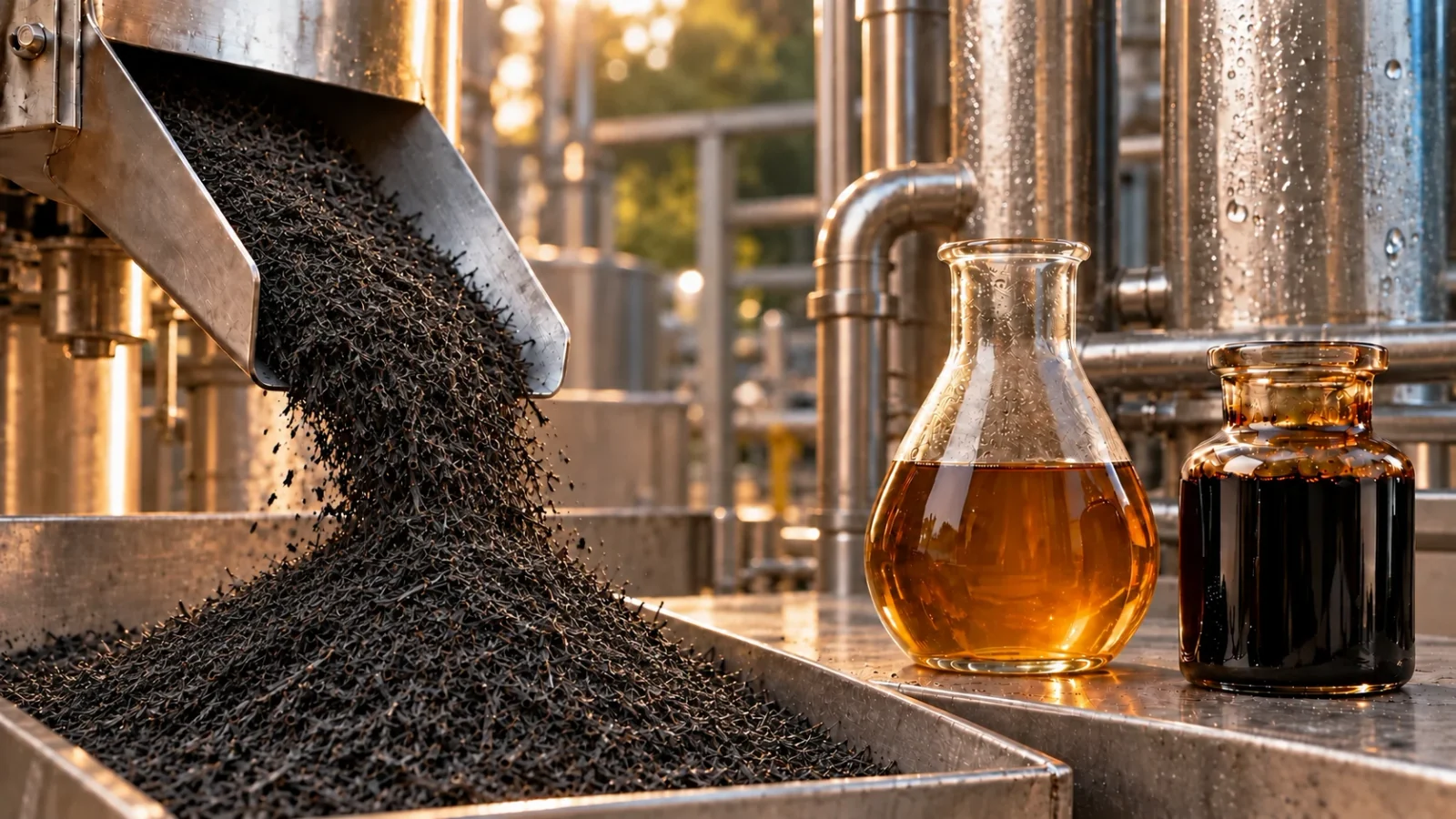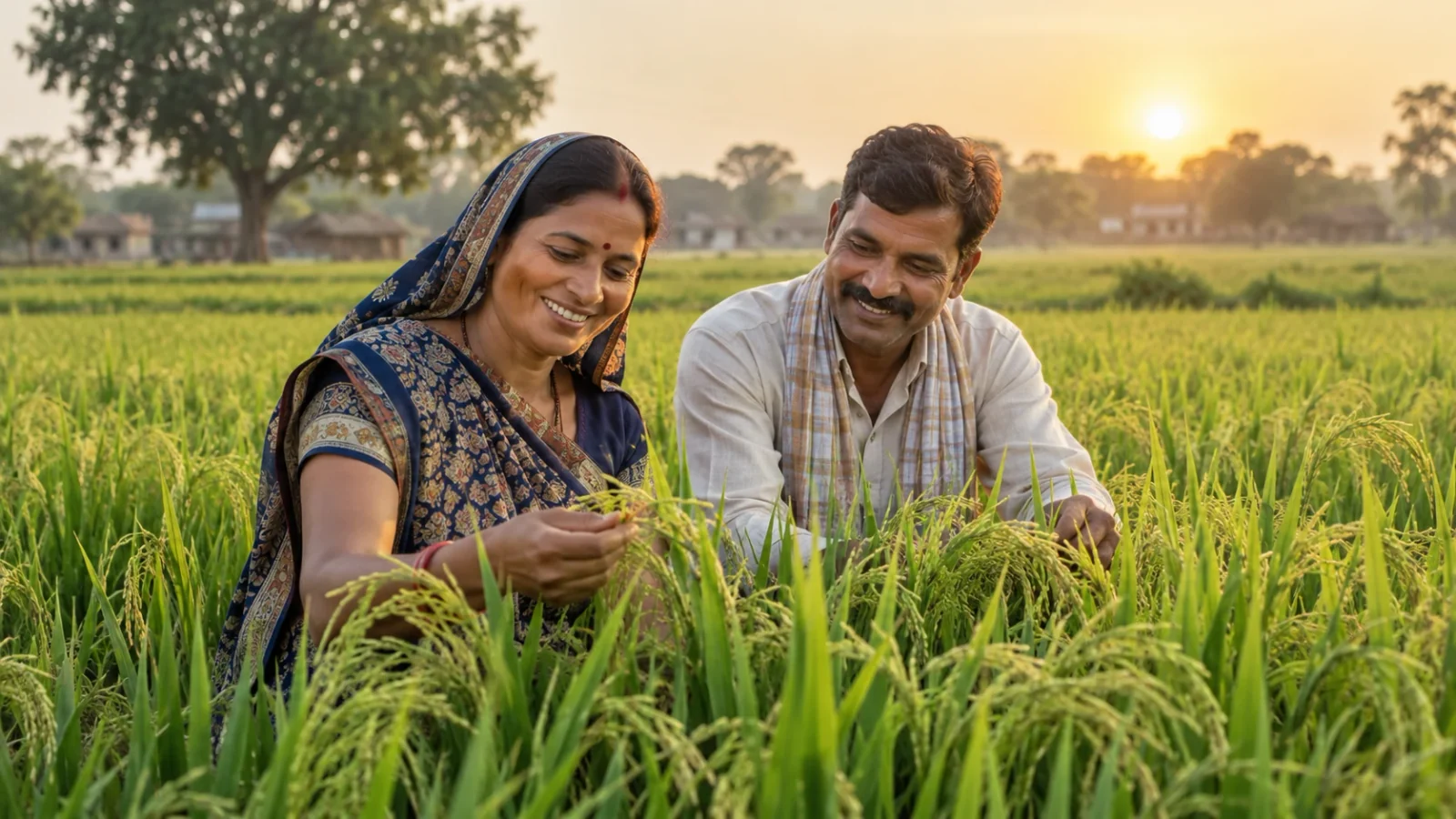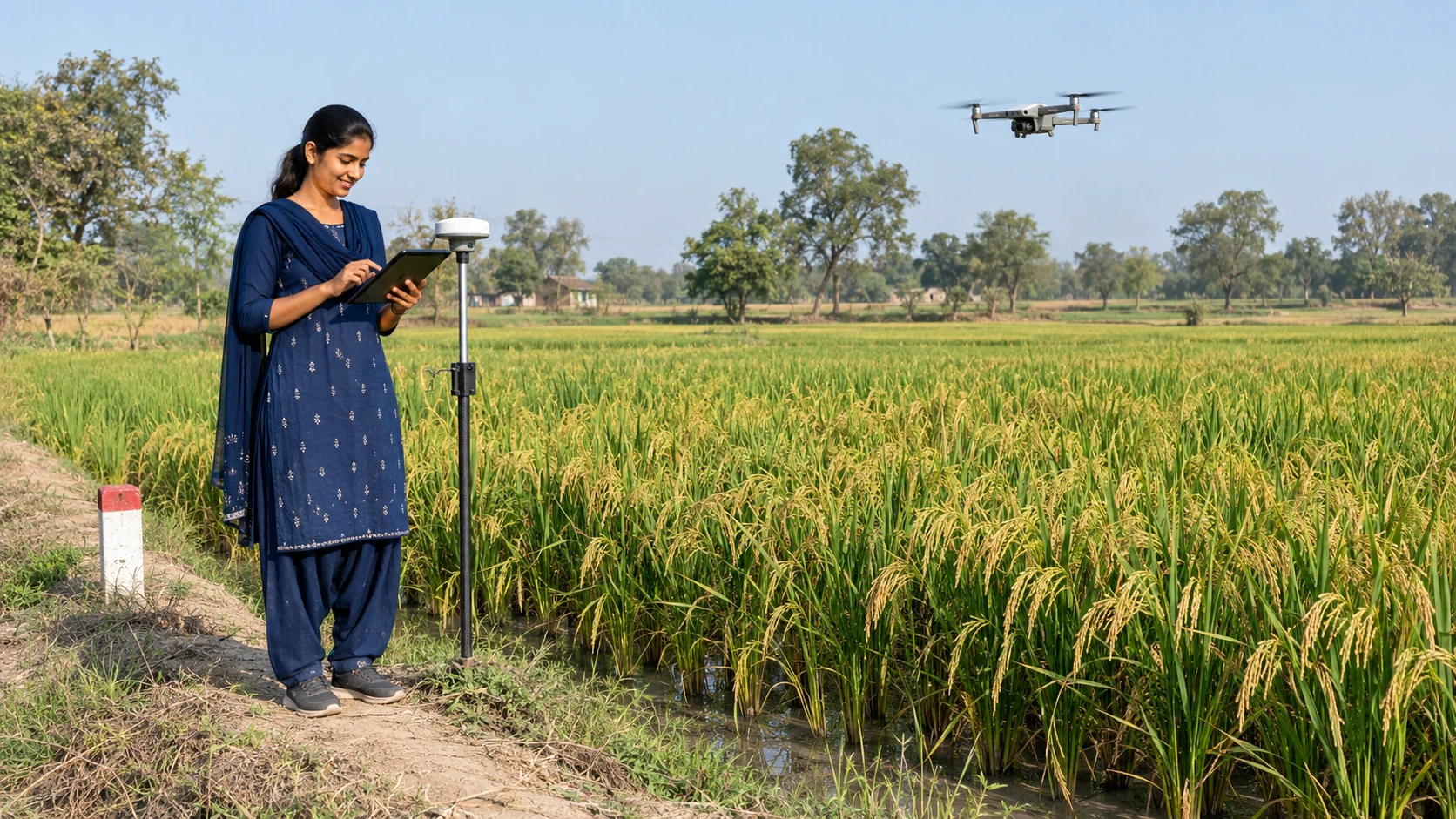
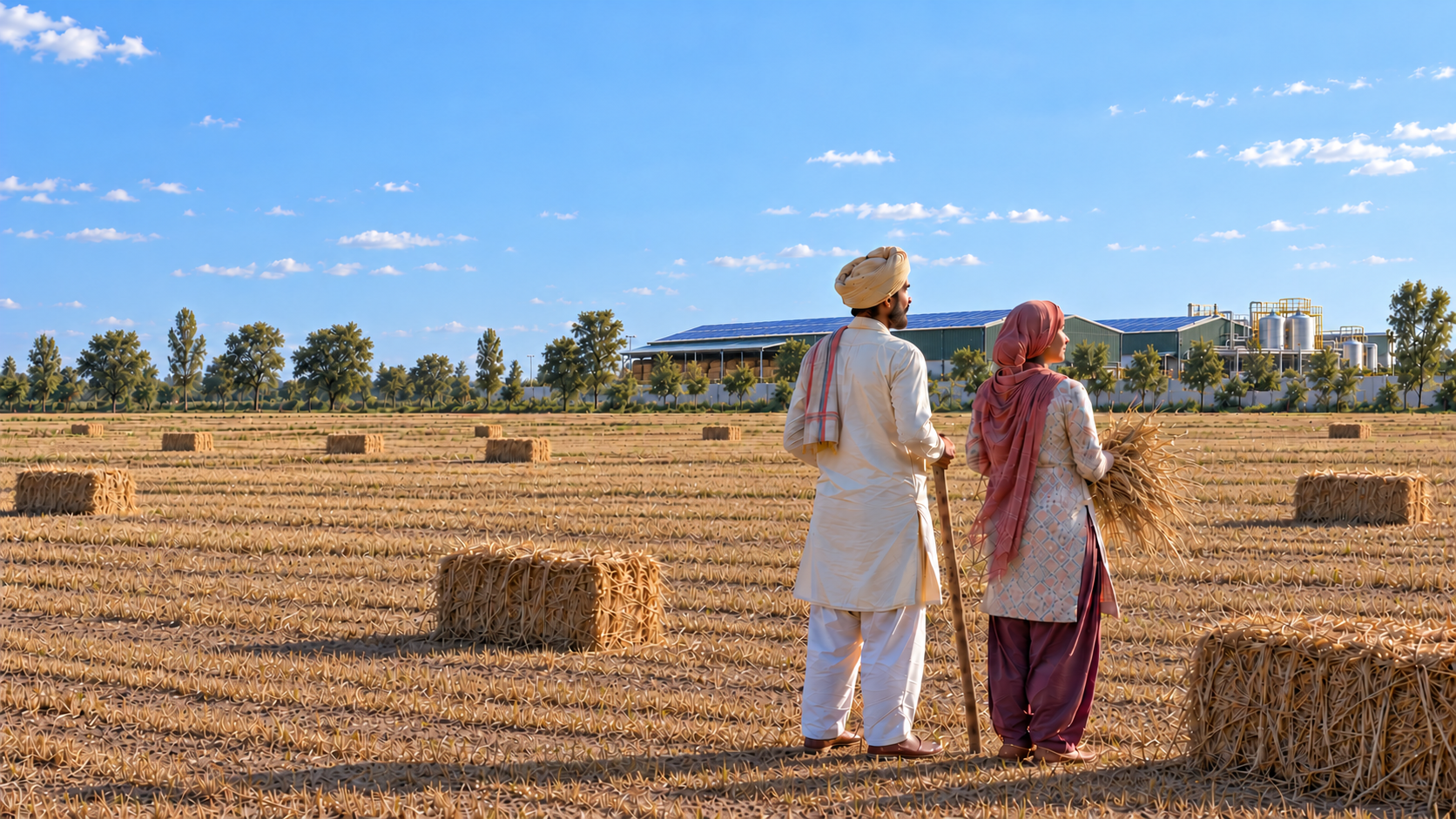
Farmer couple in a harvested Punjab-Haryana rice field with straw bales and a proposed Green Gold biorefinery

We’re turning rice straw into new materials, lasting carbon removal
and a brighter future for the people who grow it.

This is why we exist ↓
ROOTED IN INDIA. BUILT FOR THE WORLD.

01 / THE GROUND TRUTH

A triple emergency.

The Indo-Gangetic Plain (IGP) stretches across northern India, forming one of the world’s great food bowls for rice and wheat. The same landscape is facing three connected crises: polluted air, degrading soil and depleting groundwater. Each is making the others harder to solve.

Air: Above the ground

We all love rice. Why do we hate its straw?
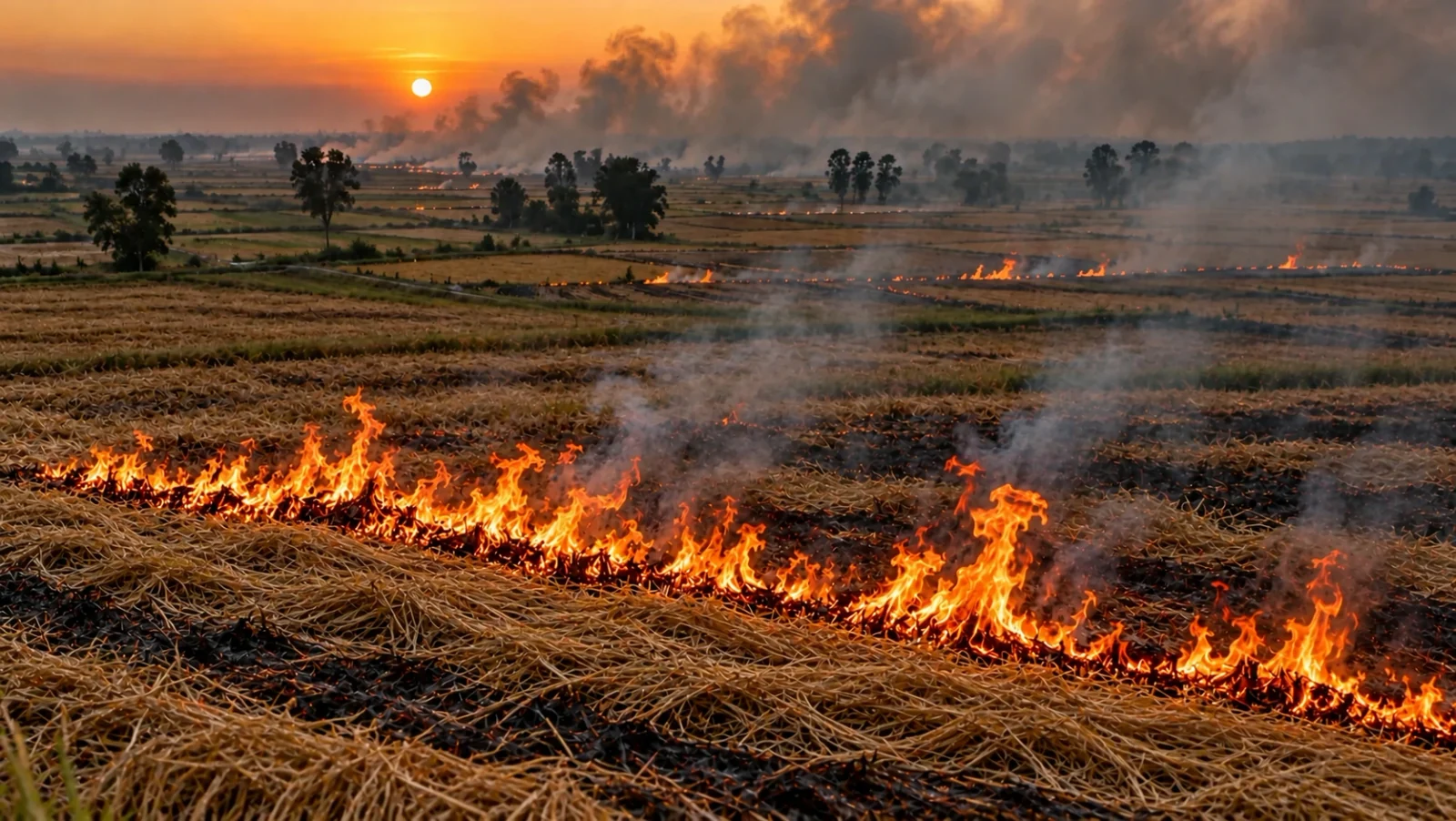
Rice straw burning across a harvested field

Over 20 million tonnes

of rice straw is openly burnt every winter across the Indo-Gangetic Plain.

Cambridge / IfM ↗

Rice must give way to wheat within a narrow sowing window. Without timely access to straw collection, suitable machinery or a reliable buyer, farmers face a costly delay. Burning clears the field quickly, while passing the cost to the air, soil and people around it.
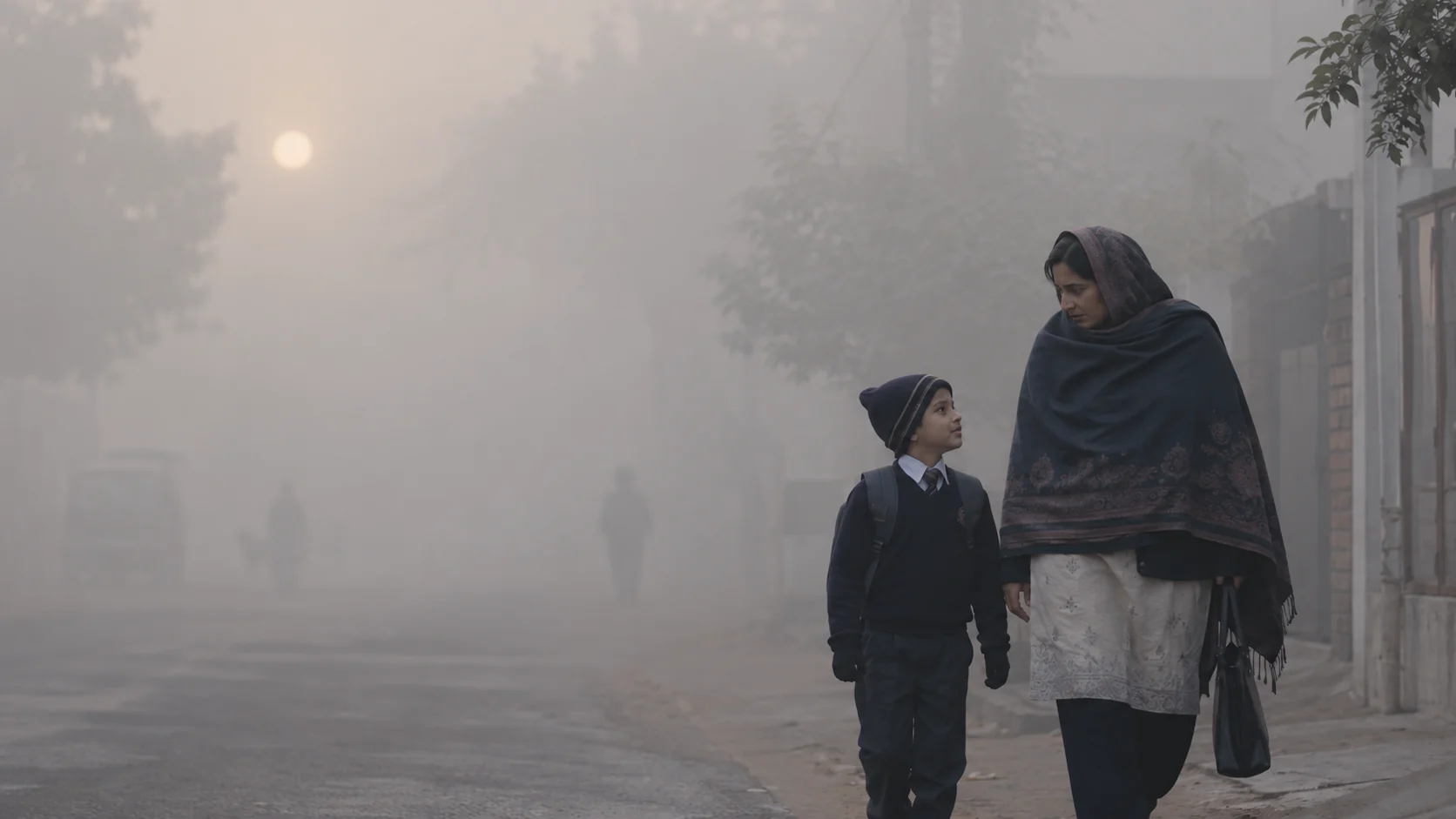
A mother and child walking through dense winter smog

Missing out on 8.2 more years of life together.

Delhi’s potential average life-expectancy gain if particulate pollution met WHO guidance.

AQLI 2025 · all-source pollution ↗
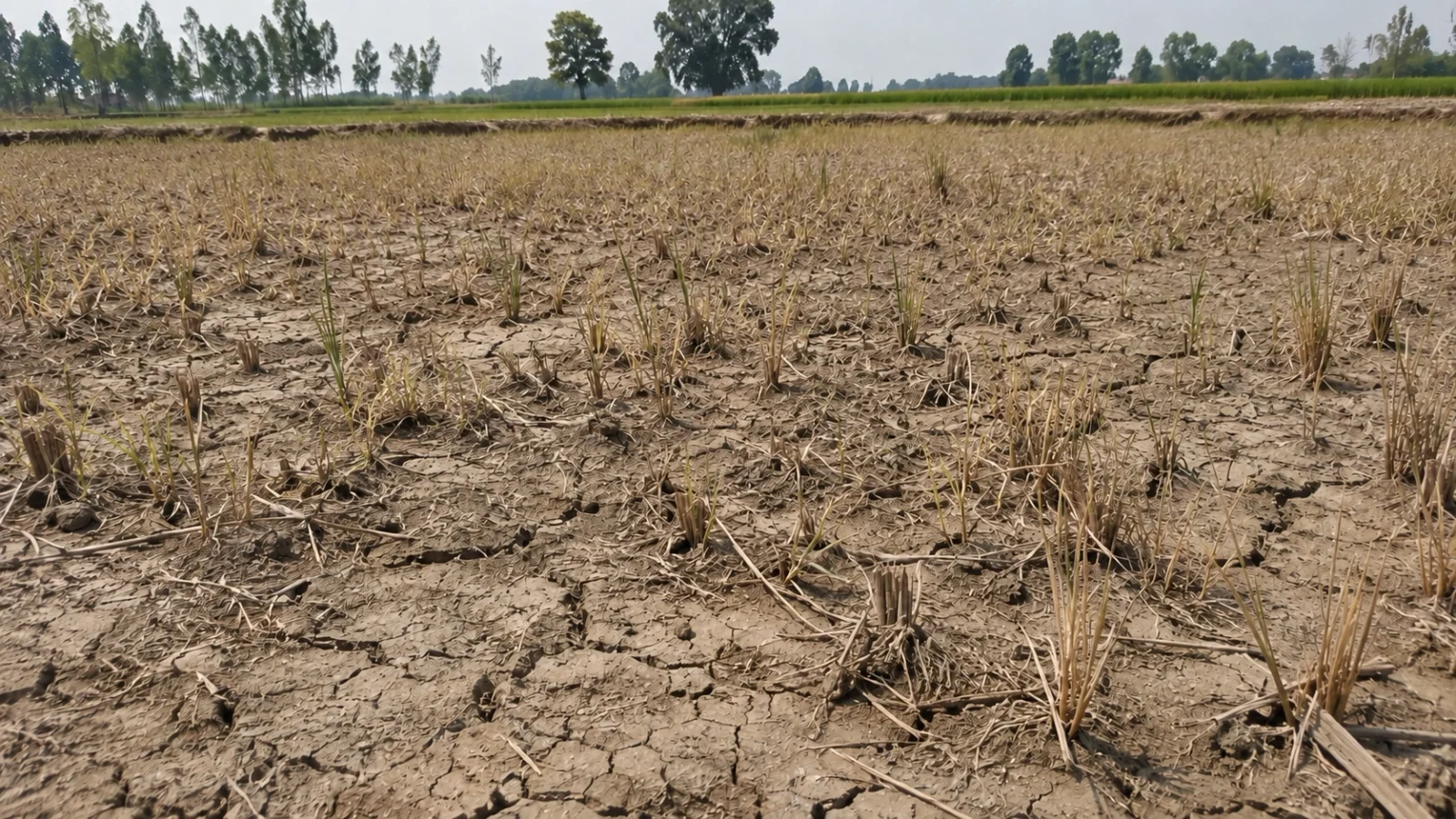
Soil: The ground itself

Compacted, crusted soil with modest erosion and patchy regrowth in a north Indian agricultural field
30%

of India’s land is degraded or desertifying.

Below 0.5%Average soil organic carbon (SOC) in sampled IGP farmland from Punjab is alarmingly low.
ISRO / MoEFCC · soil study ↗

Water: Beneath the ground

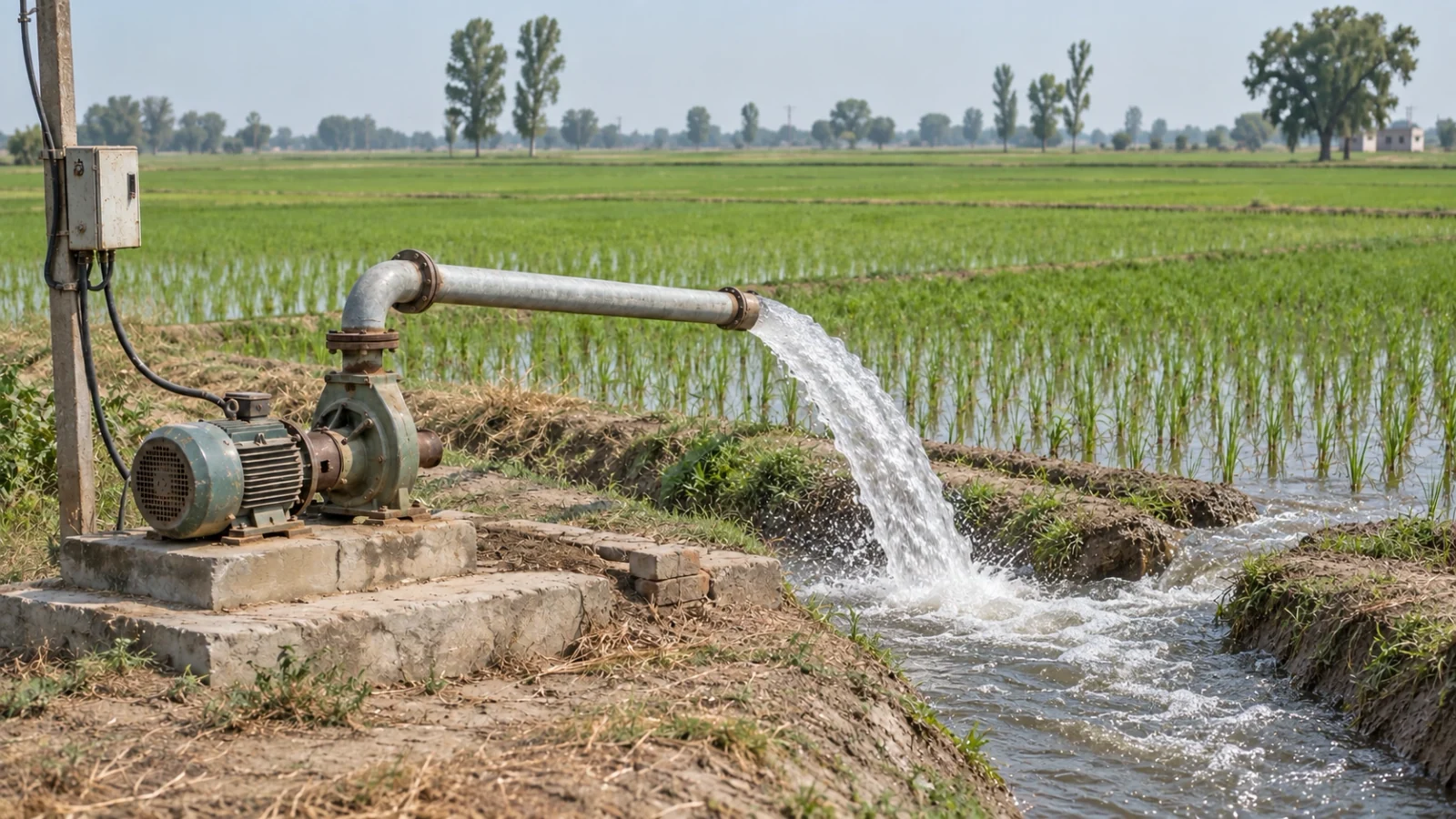
A tube well pumping a visible stream of groundwater into an irrigated north Indian paddy field
87%

of India’s extracted groundwater goes to irrigation, much of it to rice.

More than the US & China combinedIndia’s groundwater use is the largest in the world, with overextraction across the IGP.
Ministry of Jal Shakti · World Bank ↗

A public health catastrophe. A threat to food and water security.

02 / THE GROUNDED SOLUTION

Biochar.The black diamond.

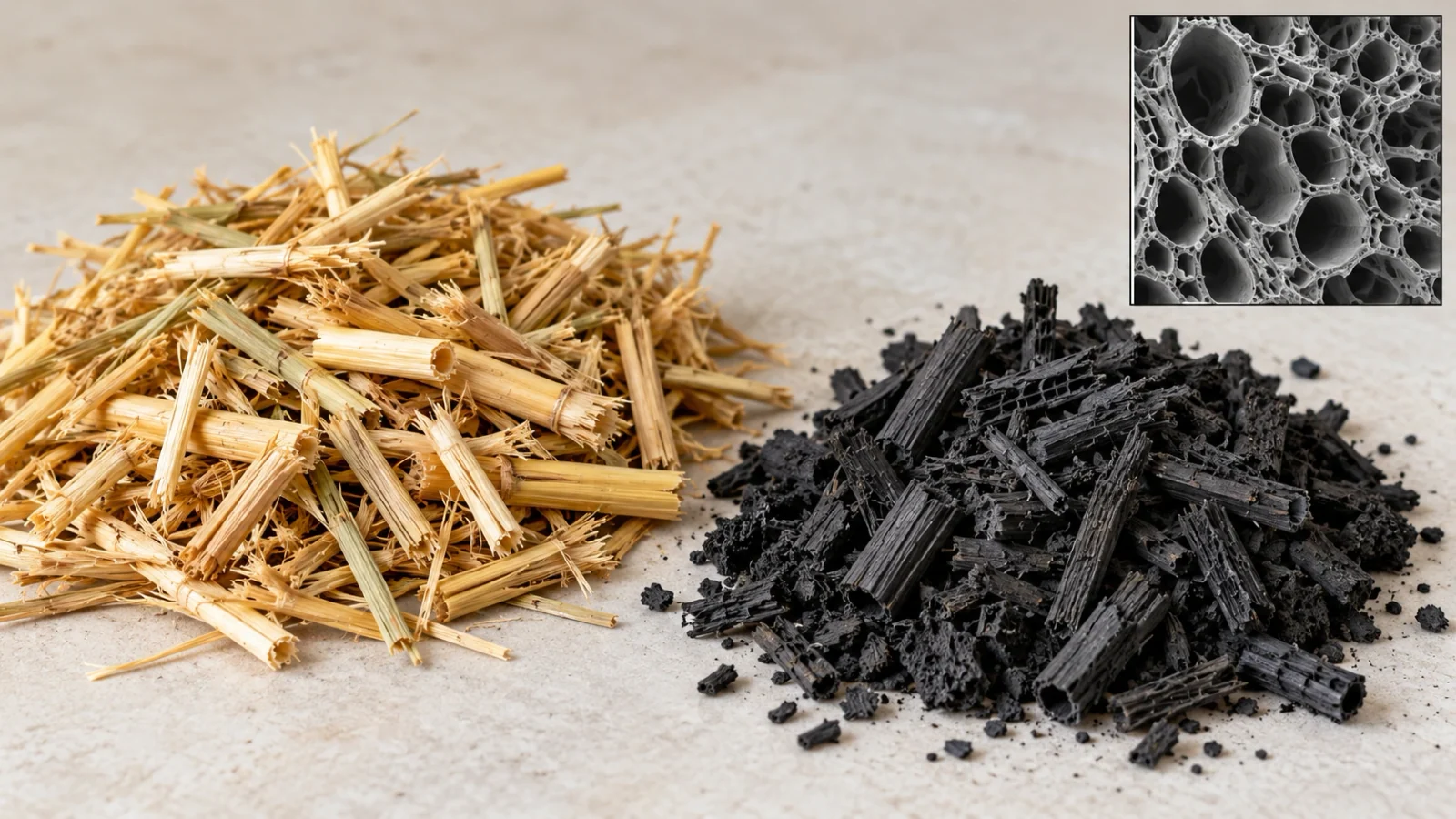
Heat rice straw or any other biomass in the absence of oxygen, a process known as pyrolysis, and the solid left behind is a lightweight, carbon-rich material called biochar. Pyrolysis concentrates plant carbon into a stable, porous structure that resists biological breakdown. Its internal surfaces hold water and nutrients, while its lasting carbon framework makes it valuable for both agriculture and climate.

Illustrative material view of chopped rice straw, biochar and a magnified porous structure

The honeycomb-like pores shown here make biochar act like a microscopic sponge, holding water and providing surfaces that retain nutrients. In high-surface-area biochars, a single gram can expose hundreds of square metres, comparable to a basketball court. That combination of porosity and stable carbon connects one material to four outcomes: cleaner air, stronger soil, less pressure on groundwater and a more resilient climate.

Cleaner air.

A reliable industrial destination can keep surplus straw out of seasonal fires, giving farmers a practical reason to collect and sell it rather than let it burn. This averts particulate matter and greenhouse gas emissions.

Stronger soil.

Biochar is mainly a soil amendment that supports soil structure, nutrient retention and microbial habitats. It brings stable organic carbon back to depleted farmland and catalyses various crop growth vitals.

Higher water table.

Better soil water retention can reduce irrigation needs. Lower groundwater withdrawals can help aquifers recover where recharge is sufficient. Local trials will test the water savings.

Resilient climate.

Pyrolysis turns part of the plant’s carbon into a form that resists decomposition. Giving it a useful, lasting home can keep that carbon out of the atmosphere for centuries to come.

03 / OUR MODEL

What we bring to the table, behind that bowl of rice.

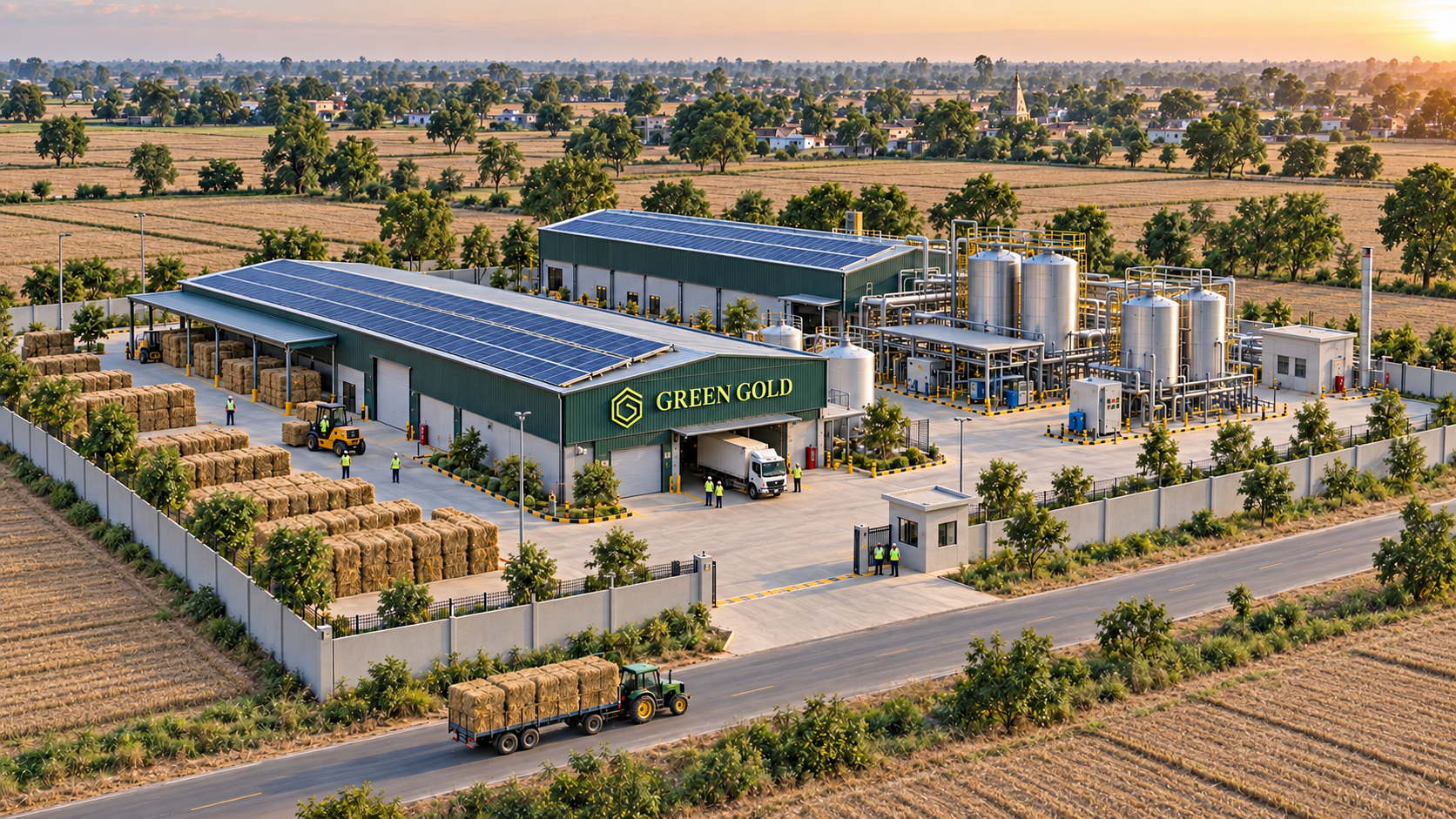
Photorealistic visualisation of a proposed rice-straw biorefinery with local straw storage, solar roofs and logistics

AI-native industrial biorefineries.Turning rice straw into a materials universe.

We’re building AI-native industrial biorefineries that turn rice straw into a connected portfolio of materials and durable carbon removal. Each facility brings preparation, continuous pyrolysis, fraction recovery and product finishing into one production system. Instead of treating the harvest as a single-use fuel, we’re putting its carbon, liquids, gases and minerals to work in distinct markets.

Three capabilities give this system its wider purpose: Physical AI is helping us optimise process control and production output, Rural Mining is opening routes into silica extraction, and Carbon Removal is connecting durable storage with traceable climate co-benefits. Together, they turn an industrial process into a platform for materials, intelligence and regeneration.

I.

Physical AI

Variable straw.
Intelligent industry.

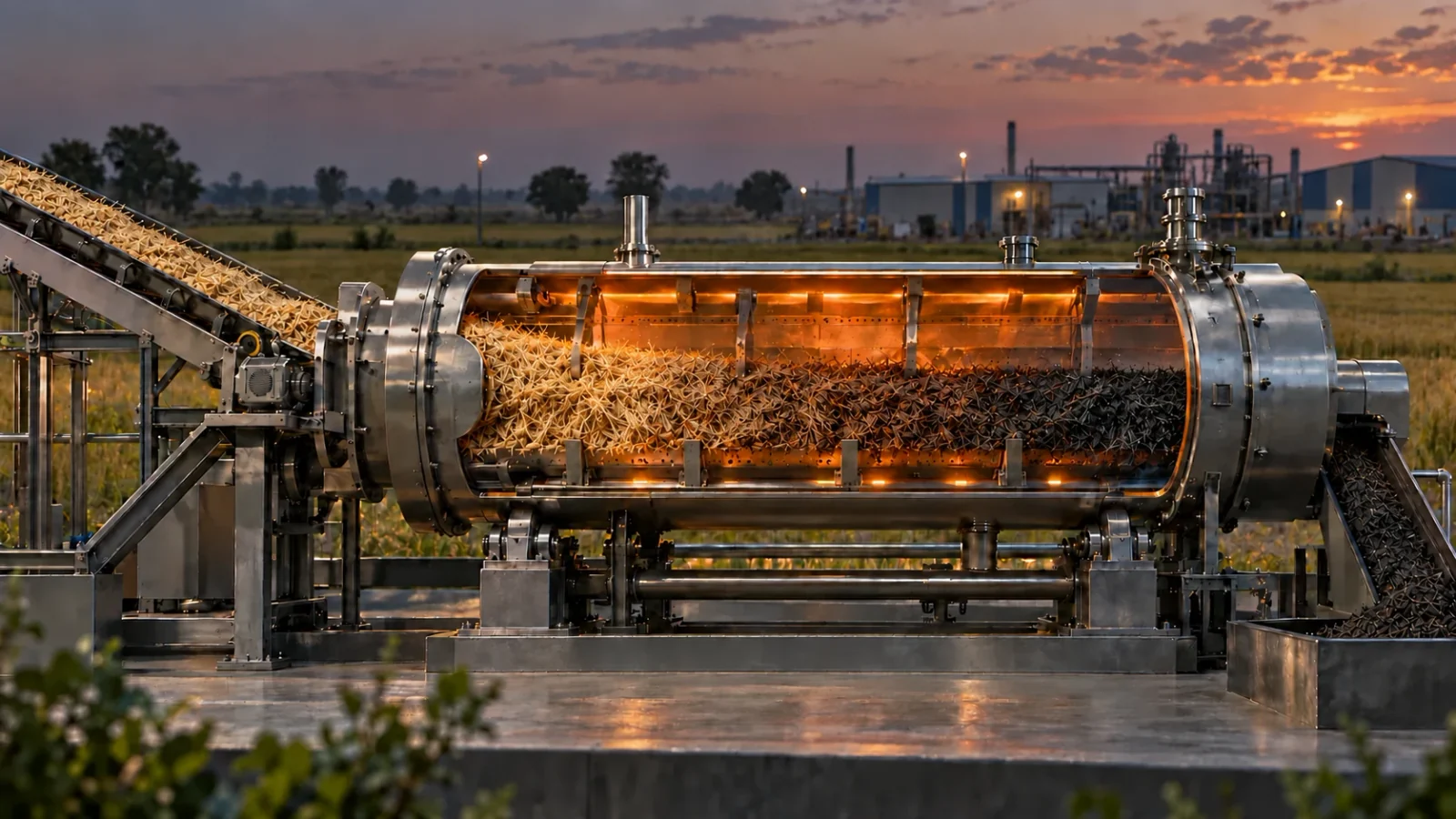
Physical AI connects sensors, process physics and machine learning to the equipment handling the straw. Each run builds knowledge that can improve the next run and next refinery.

Inside the intelligent refinery
II.

Rural Mining

A difficult mineral.
A valuable frontier.

The silica that makes straw difficult to process is also a resource. We’re recovering this biogenic mineral and engineering carbon for uses in the next generation of energy storage.

Explore the science in the straw
III.

Carbon Removal

CO₂ from the air.
Stored in the earth.

Rice draws carbon from the air. Stable biochar gives it a lasting home in qualified soils and concrete, with traceable evidence behind each independently verified tonne.

Follow the carbon

04 / HOW IT WORKS

One input.Many outputs.Multidimensional impact.

Enter the biorefinery
01 / 05
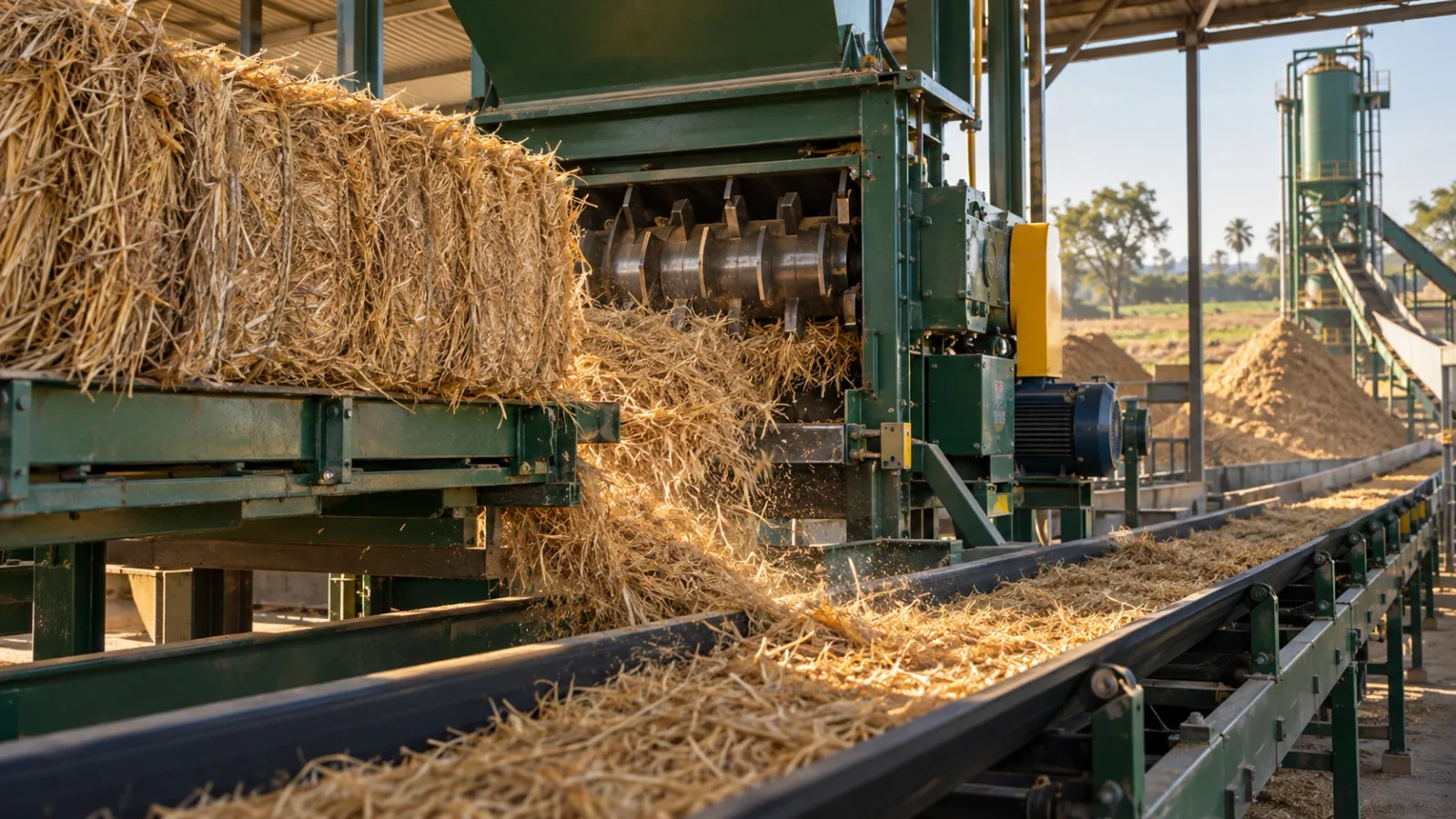
Baled rice straw being chopped and prepared for an industrial refinery

FIELD → FEEDSTOCK

The residue becomesan industrial resource.

Surplus straw is collected, traced and weighed. Drying and size reduction prepare each delivery for the refinery. Moisture checks and controlled feeding help keep the input consistent as the harvest changes.

Keep scrolling

05 / THE CIRCULAR ECONOMY

Where the materials meet the world.

Straw begins in the earth. We’re bringing it back to the earth and everyday life as soil inputs, building materials, road binders and industrial ingredients. Farmers supply the harvest, its fractions find new uses, and value returns to the land and the communities growing the next crop.

Market #1

Agriculture

The farmer is both our supplier and our customer.

We begin and end in the field. Our formulations fit the farmer’s existing agri-input stack, with field trials shaping what works for each soil and crop.

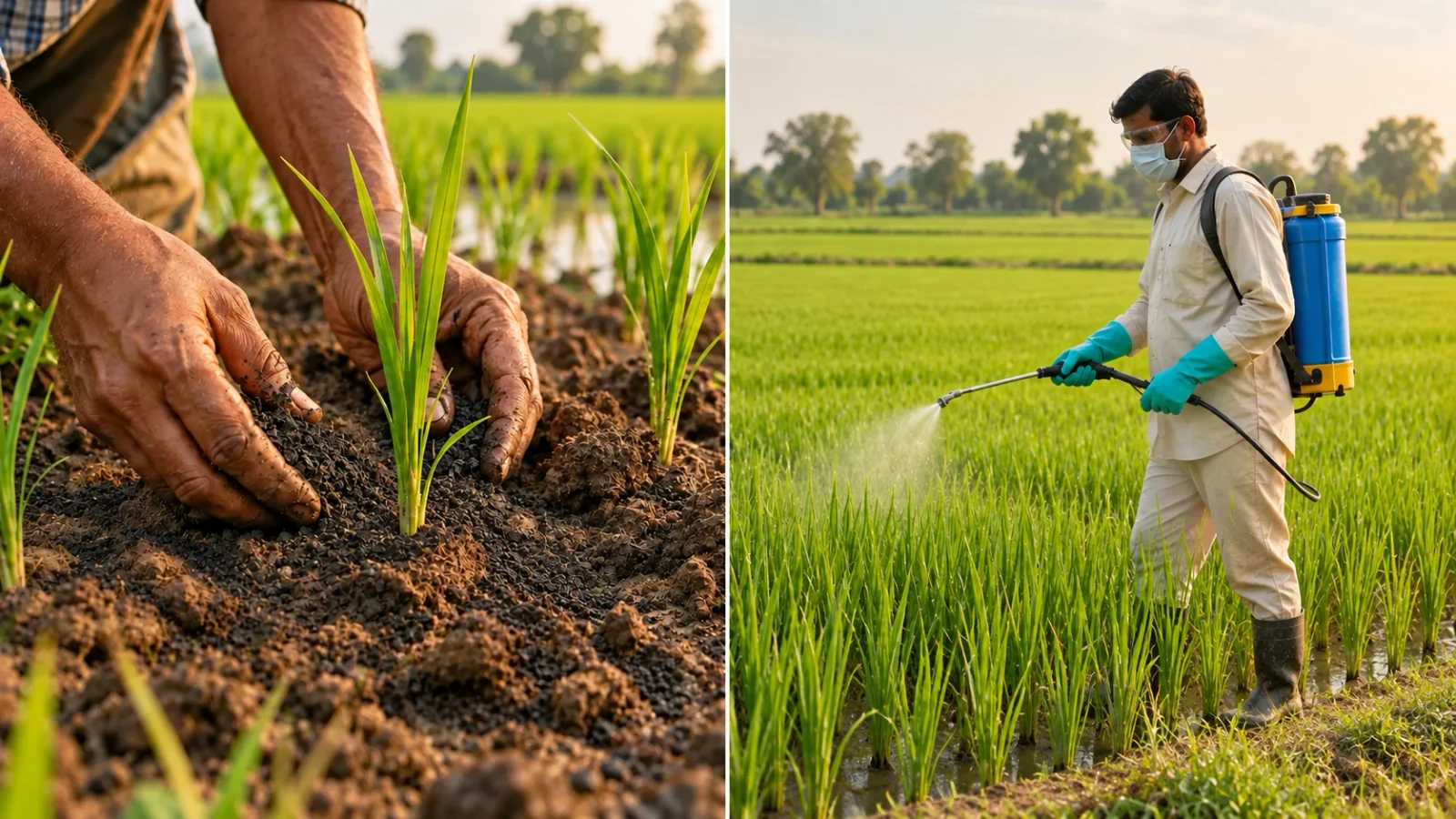
Fine biochar being incorporated into soil beside a crop-care spraying application

Biochar to soil regeneration

Our formulation work brings together charged blends, biofertiliser carriers and micro-dose additives that fit familiar agricultural inputs. The aim is to build soil organic carbon (SOC), support nutrient uptake and improve water-use efficiency, with performance measured for each formulation.

Bio-vinegar to crop care

Bio-vinegar, also known as pyroligneous acid, is the aqueous fraction of condensed pyrolysis vapours. We’re characterising this fraction and testing its safety, dilution and formulation for crop-care and biostimulant applications.

Market #2

Infrastructure

Build stronger places. Store lasting carbon.

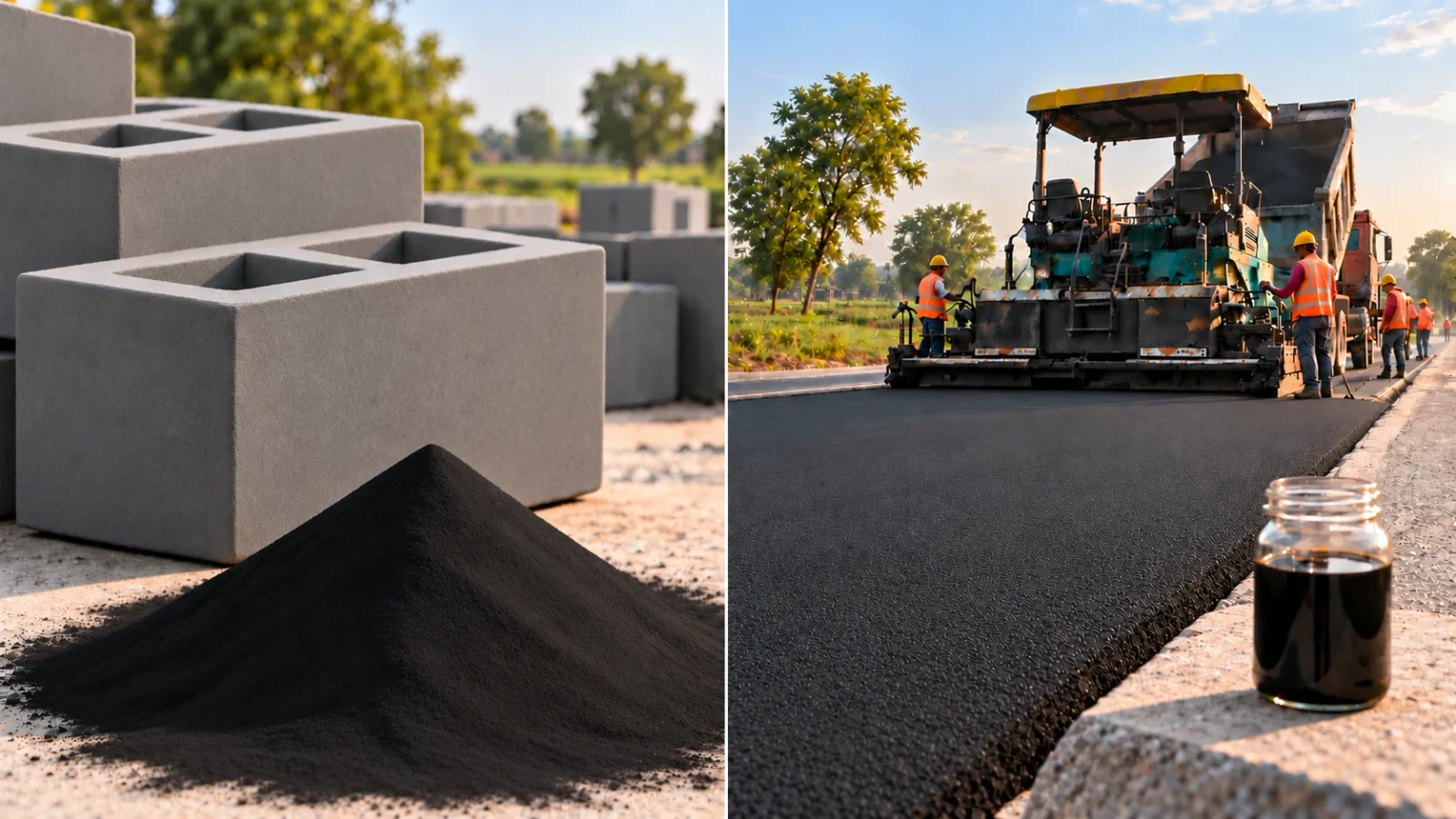
Rice straw enters the built environment through concrete and asphalt, finding a lasting home in our homes and the roads we take to reach them.

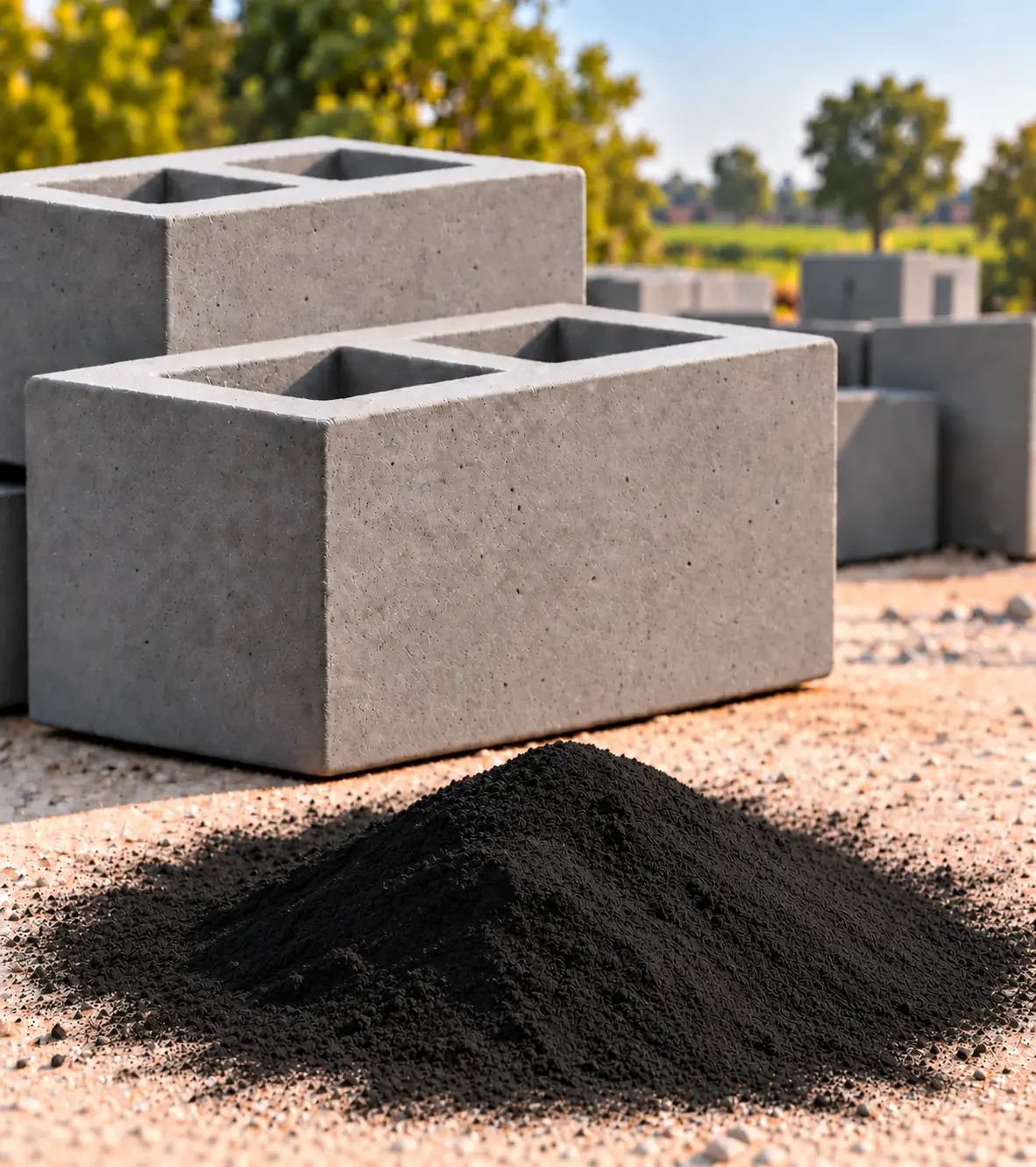
Biochar to concrete masonry

We’re developing micro-biochar for concrete masonry blocks and RMC, qualifying blends for compressive strength, potential pozzolanic contribution, internal curing and long-term carbon storage.

Tar oil to bio-bitumen

We’re harnessing tar oil formulations for bio-bitumen, testing their role as road binders in asphalt mixes. This puts a new fraction of the crop beneath the journeys we take.

Market #3

Energy

Fossil fuels now have cleaner alternatives.

Renewable carbon and useful gas serve the operating needs of energy-intensive industry.

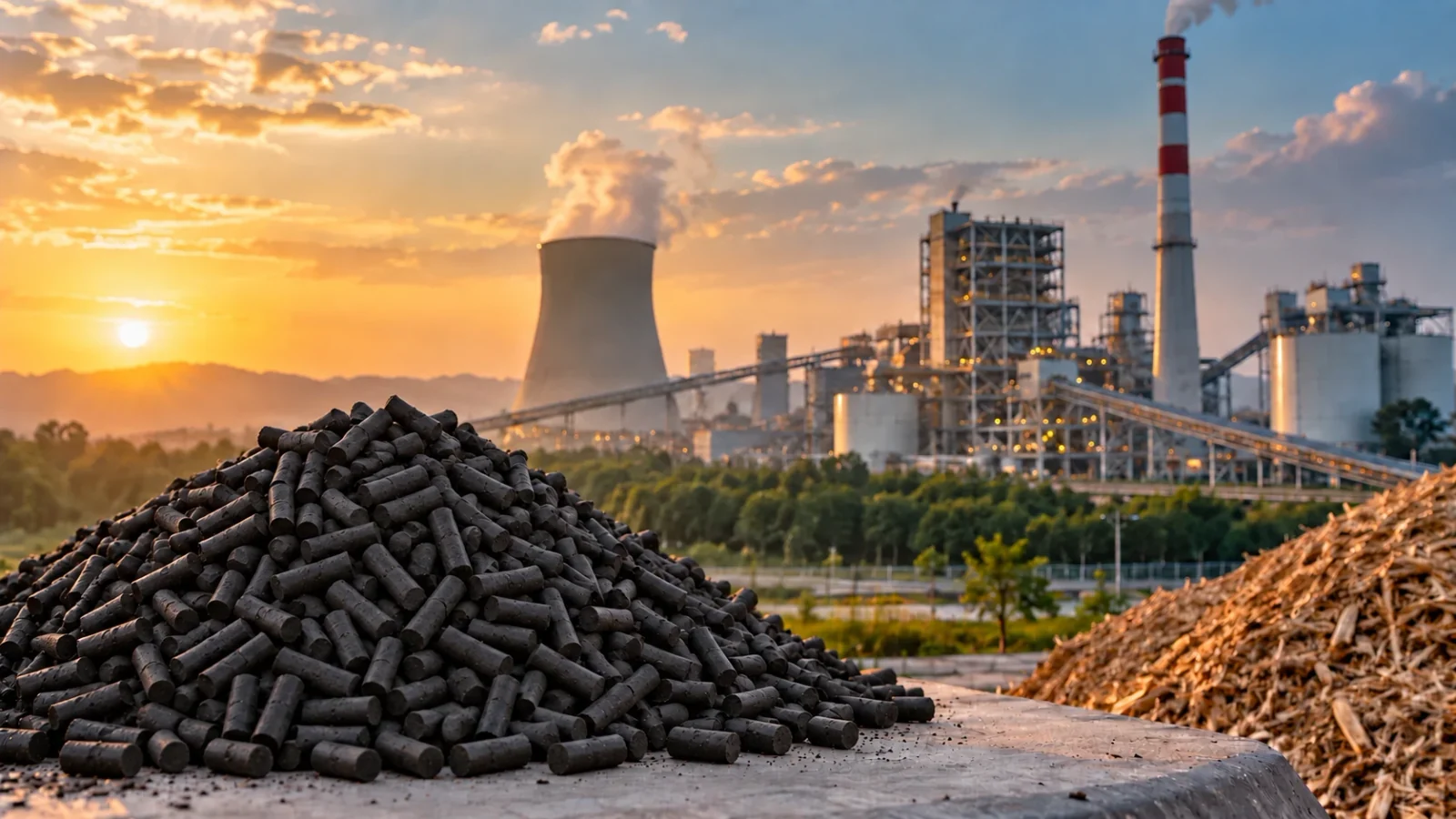
Torrefied biocoal pellets with industrial energy infrastructure

Torrefaction to biocoal

Our parallel torrefaction pathway aims to convert biomass into torrefied biocoal pellets for co-firing in thermal power plants amid government biomass co-firing mandates and targeted subsidies. Fuel qualification and scheme eligibility remain project-specific.

Syngas to useful energy

Our design recovers process heat for the refinery, with a route to heat supply or power generation for adjacent industry where the energy surplus allows.

Market #4

Chemicals & Biotech

Rice straw has a deep-tech future.

Separation and formulation unlock further value in the liquids and minerals. Purity, recovery and cost shape each application.

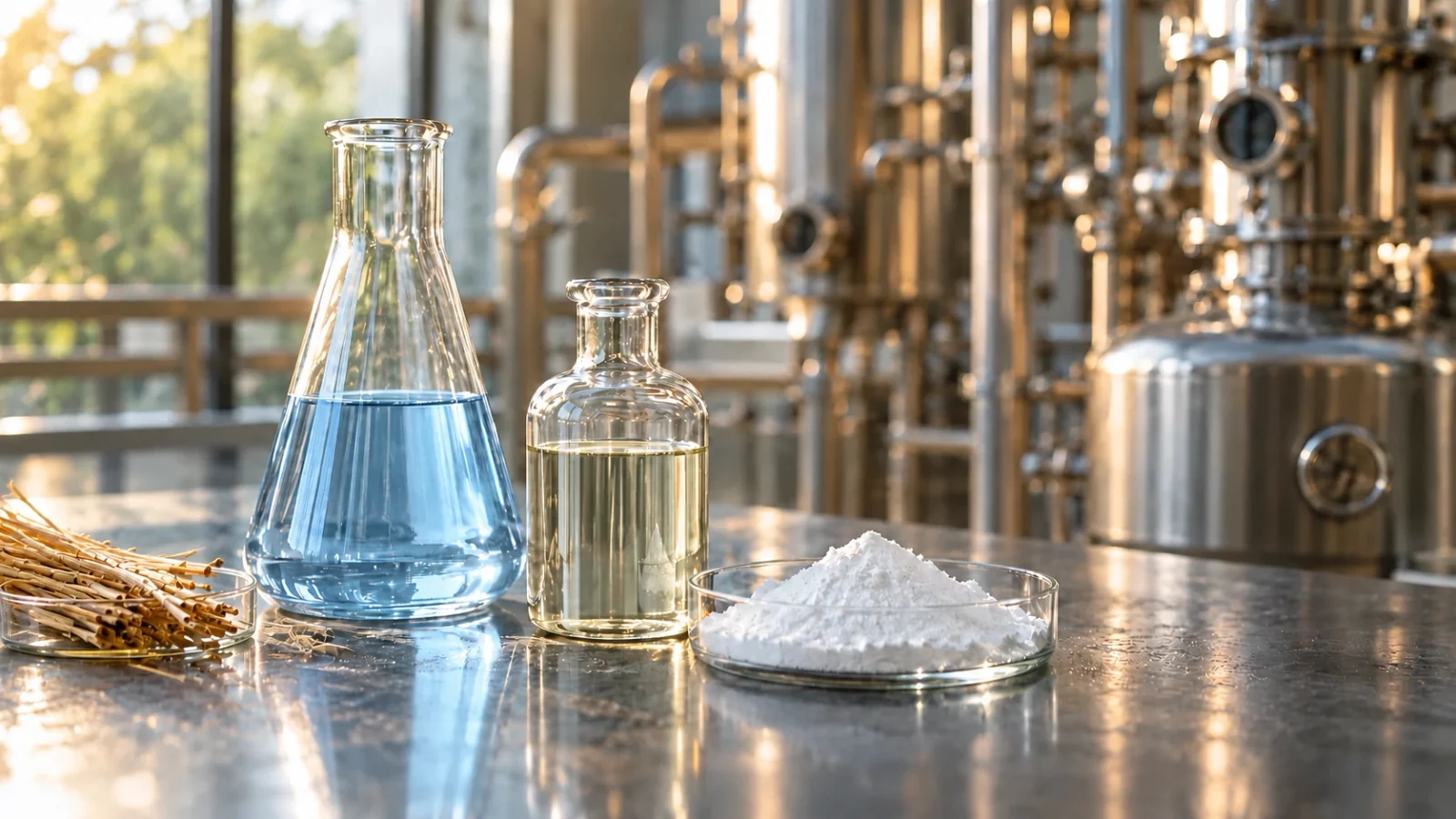
Recovered liquid fractions and precipitated silica in a laboratory

Liquids to specialty derivatives

Acetic-acid, furanic and phenolic research targets, including guaiacol, cresols and catechol, guide future separation and formulation work.

Mineral ash to green silica

Our mineral recovery work targets precipitated green silica for fillers, rubber and coatings, with nano-scale structures opening a further research and development pathway into advanced materials.

Dig deeper

06 / CARBON REMOVAL

The Bharat Carbon Project.

Our mission is to build the world’s largest engineered carbon sink through a planned grid of AI-native industrial biorefineries across the Indo-Gangetic Plain. Each refinery is being designed to give surplus straw a destination beyond the fire, turning entire catchments into Zero Fire Zones.

Proposed project anchors across the Indo-Gangetic Plain

Through biochar, carbon captured by rice plants finds a lasting home in farm soils and concrete masonry. Now rice straw needn’t become smoke every season. We’re turning a systemic liability into permanent assets, with local purpose and global climate value.

Within a decade, the project aims to turn a quarter of the region’s total straw burnt into high-integrity carbon removal.

5 milliontonnes of straw / year
1.5 milliontonnes of CO₂e / year
Meet the carbon project

07 / PLATFORM

Built to work. Designed to travel.

The capability behind one refinery becomes the starting point for the next. Discover how partners, capital and markets come together in a repeatable industrial system.

Explore the platform

08 / PEOPLE

An institution takes people.

A founder’s conviction, seasoned counsel and specialist depth. Meet the people bringing science, enterprise and public purpose to the same table.

Meet the people

LET’S BUILD

The future takes
all of us.

Build the institution behind the infrastructure.

A platform at the intersection of climate, agriculture, AI and materials. Let’s talk about the first refineries and the scale beyond them.

LET’S CHAT

We want to hear from you!

Have a question, an idea or something you’d like us to look at? Tell us what’s on your mind and leave a way to reach you. We’ll take the conversation from there.

hello@greengold.earth

We use your details to respond to this conversation. Our Policies